
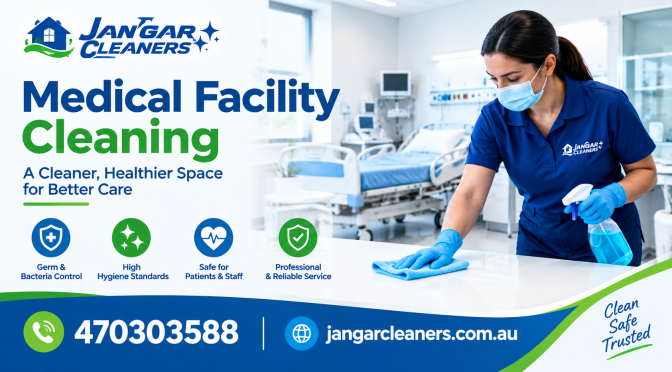
Cross-contamination remains a leading cause of preventable patient harm in Australian healthcare settings. Every surface, tool, and staff interaction is a potential transmission point for pathogens. This guide breaks down exactly how hospital cleaning services and structured protocols stop the spread.
What Is Cross-Contamination in a Healthcare Setting?
Cross-contamination happens when harmful microorganisms transfer from one surface, person, or instrument to another. In hospitals and clinics, this typically occurs via hands, shared equipment, or poorly disinfected surfaces.
Why Does Infection Control Cleaning Matter So Much?
Infection control cleaning directly reduces healthcare-associated infections (HAIs), which affect thousands of Australian patients annually. Facilities that skip rigorous protocols see higher readmission rates and longer recovery times.
How Do Clinic Cleaning Services Reduce Contamination Risk?
Clinic cleaning services use colour-coded equipment, hospital-grade disinfectants, and zone-based cleaning schedules to stop pathogens moving between treatment rooms. Key practices include:
- Separate cleaning tools for clinical vs. non-clinical zones
- Colour-coded mops, cloths, and buckets by area
- Scheduled deep cleans between patient appointments
- Documented cleaning logs for compliance audits
Medical Facility Cleaning: Standard vs. High-Touch Areas
| Area Type | Cleaning Frequency | Method |
| Waiting rooms | Daily | Standard disinfection |
| Treatment rooms | Between each patient | Hospital-grade disinfection |
| High-touch surfaces (door handles, rails) | Multiple times daily | Wipe-down with TGA-approved chemicals |
| Surgical suites | Before and after every procedure | Full terminal clean |
Medical facility cleaning must be tailored to risk level—a waiting room and an operating theatre are not cleaned the same way.
What Role Does Healthcare Sanitisation Play in Patient Safety?
Healthcare sanitisation protocols eliminate bacteria, viruses, and fungi on surfaces before they can be transferred to vulnerable patients. This is especially critical for immunocompromised individuals.
Core Elements of Effective Sanitisation
- Use of TGA-registered hospital-grade disinfectants
- Correct dwell/contact time for chemicals to work
- Consistent PPE protocols for cleaning staff
- Regular high-touch surface cleaning audits
- Waste segregation and sharps disposal compliance
How Does Medical Office Cleaning Differ from Hospital Cleaning?
Medical office cleaning generally involves lower patient volumes but still requires strict infection control protocols, particularly around shared equipment like blood pressure cuffs and diagnostic tools. GP clinics, dental practices, and allied health offices all fall under this category.
Why Are Surgery Cleaning Services So Specialised?
Surgery cleaning services demand the highest level of precision because operating theatres must maintain near-sterile conditions. A single missed surface can compromise an entire sterile surgical environment and put patients at risk of post-operative infection.
Surgical Cleaning Checklist
- Pre-operative terminal cleaning
- Air filtration and ventilation checks
- Sterilisation of all reusable instruments
- Post-procedure decontamination of theatre surfaces
- Independent verification/audit of cleanliness
What Should Australian Healthcare Facilities Look for in a Cleaning Partner?
Facilities should prioritise providers trained in Australian infection control standards, using TGA-approved products and documented compliance systems. Ask potential partners for evidence of staff training, insurance, and audit trails.
Ready to Strengthen Your Facility’s Infection Control?
Cross-contamination is preventable with the right systems and the right team behind you. If your clinic, hospital, or medical practice needs a compliant, thorough cleaning partner, get in touch with Jangar Cleaners for a tailored infection control assessment and quote. Call us @ 470303588 to learn more.
Frequently Asked Questions
Q: How often should high-touch surfaces be cleaned in a clinic?
A: High-touch surfaces should be disinfected multiple times a day, especially in waiting rooms and treatment areas.
Q: What makes hospital-grade disinfectant different from regular cleaning products?
A: Hospital-grade disinfectants are TGA-approved and formulated to kill a broader range of pathogens within a specific contact time.
Q: Can poor cleaning practices increase infection rates in hospitals?
A: Yes, inadequate cleaning is a well-documented contributor to healthcare-associated infections.
Q: Do small medical offices need the same cleaning standards as hospitals?
A: Yes, medical offices must follow proportional but equally strict infection control protocols to protect patients.
Q: How often should operating theatres be cleaned?
A: Operating theatres require a full terminal clean before and after every single procedure.